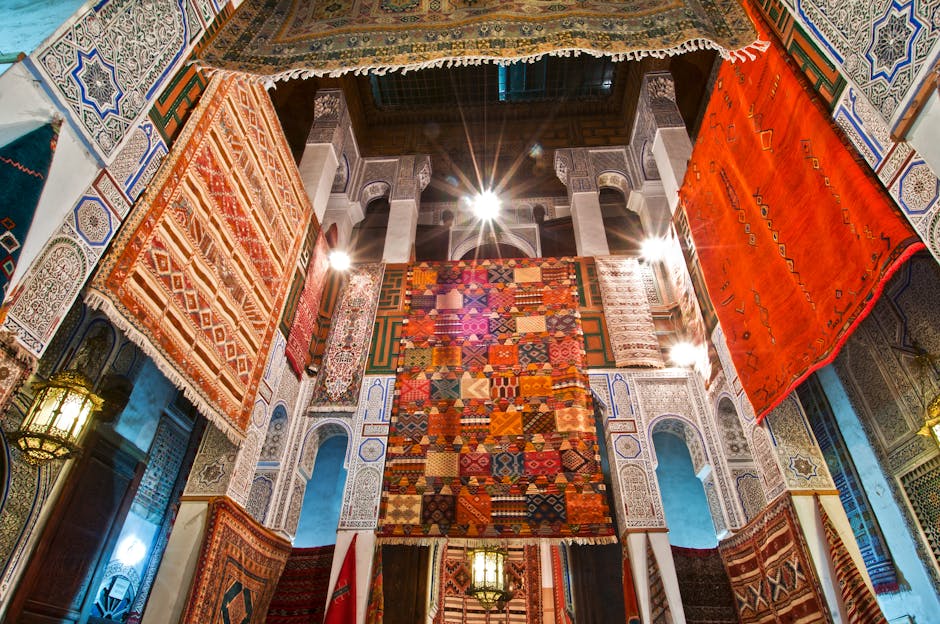
 Rugs & Textiles
Understanding Your Moroccan Rug: A Buyer's Guide
Moroccan rugs have captivated interior designers and homeowners for centuries, and for good reason. These handwoven treasures offer far more than aesthetic appeal—they represent centuries of cultural heritage and exceptional craftsmanship. Understanding what you're buying ensures you invest wisely and appreciate the true value of your purchase.
Authentic Moroccan rugs are traditionally made by Berber communities across the Atlas Mountains and surrounding regions. Each piece tells a story through its patterns, colours, and weaving techniques passed down through generations. The most recognisable styles include the geometric patterns of the High Atlas region and the more abstract designs from the Middle Atlas.
Construction and materials matter significantly. Genuine Moroccan rugs are hand-knotted using natural wool from local sheep, often dyed with traditional plant-based dyes. The density of knots per square inch directly affects durability and price. A quality rug typically contains between 80 and 150 knots per square inch, though some premium pieces exceed this considerably.
When examining a rug, check the back. Machine-made imitations show uniform, perfectly aligned knots, whilst authentic pieces display natural variations. The fringe should be integral to the weave, not sewn on afterward. Run your fingers across the surface—genuine wool has a distinctive feel that synthetics simply cannot replicate.
Colour authenticity is another key indicator. Traditional dyes create subtle variations across the rug's surface, giving it depth and character. Modern chemical dyes produce uniform, sometimes overly vibrant colours that can appear harsh. If a rug's colour looks too perfect, it's likely not authentic.
The size and design you choose should reflect both your space and personal taste. Smaller rugs work beautifully as accent pieces, whilst larger formats can anchor an entire room. Consider your home's existing colour palette and whether you prefer bold geometric patterns or more subtle designs.
Care and maintenance extend your rug's lifespan considerably. Vacuum regularly using a low setting, rotate quarterly to ensure even wear, and address spills immediately with cold water. Professional cleaning every few years keeps your rug fresh whilst preserving its integrity. Avoid direct sunlight, which can fade traditional dyes over time.
Investing in a genuine Moroccan rug means purchasing a piece of living history. These aren't merely floor coverings—they're functional art that improves with age. The slight fading and patina that develops over years only add to their character and value. Whether you're furnishing your first home or adding to an established collection, understanding these fundamentals helps you make confident, rewarding choices.